
Concept Car Review: Is the Hyundai N Vision 74 Hydrogen Hybrid Viable?
Dissecting the engineering of the Hyundai N Vision 74’s dual-fuel system to determine if it represents a genuine shift in performance EV architecture or merely a showcase for theoretical components.

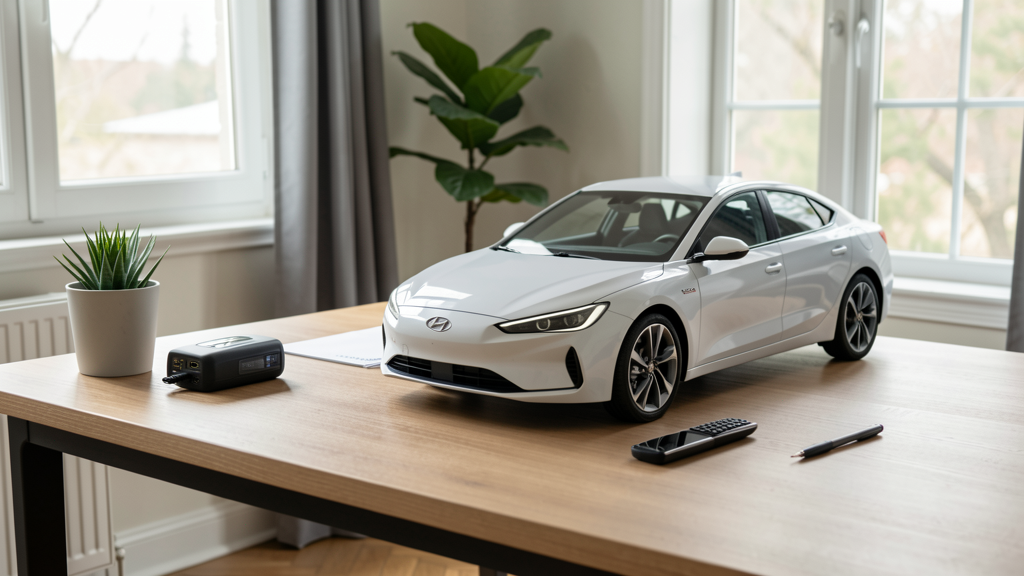
The Hyundai N Vision 74 arrived as a striking homage to the 1974 Pony Coupe concept, yet its significance lies far beneath its retro-futuristic sheet metal. Unveiled as a "Rolling Lab," the vehicle proposes a hydrogen hybrid system that diverges sharply from the industry's polarized approach of choosing between battery electric vehicles (BEVs) and fuel cell electric vehicles (FCEVs). For market observers, the critical question is not aesthetic, but economic and structural: does this dual-fuel architecture offer a viable path to production, or is it a sophisticated distraction from the practical realities of the automotive market?
To assess viability, one must look beyond the promotional videos and examine the hard engineering constraints: energy density, thermal management, and the infrastructure paradox. While the concept showcases impressive performance statistics—over 670 horsepower and a 0-100 km/h time under four seconds—the production reality hinges on whether a system combining a heavy battery stack with a high-pressure fuel tank can be manufactured at a competitive price point.
The Engineering of a Dual-Fuel Architecture
The core of the N Vision 74’s feasibility study lies in its powertrain configuration. Unlike the Toyota Mirai or Hyundai Nexo, which prioritize hydrogen storage above all else, or a Tesla Model S Plaid, which relies entirely on lithium-ion cells, the N Vision 74 utilizes a serial hybrid architecture. The system pairs a 62.4 kWh battery (similar in capacity to a standard Kona Electric) with an 85 kW fuel cell stack sourced from previous-generation Hyundai technology.
This creates a unique operational profile. During high-load scenarios, such as acceleration or track driving, the battery and fuel cell discharge energy simultaneously to the twin rear-mounted electric motors. During cruising, the fuel cell acts as a generator, replenishing the battery. The "Rolling Lab" moniker is accurate here; Hyundai is testing whether a downsized fuel stack—cheaper to produce but less powerful than a primary drive unit—can effectively extend the range of a performance-oriented battery pack.
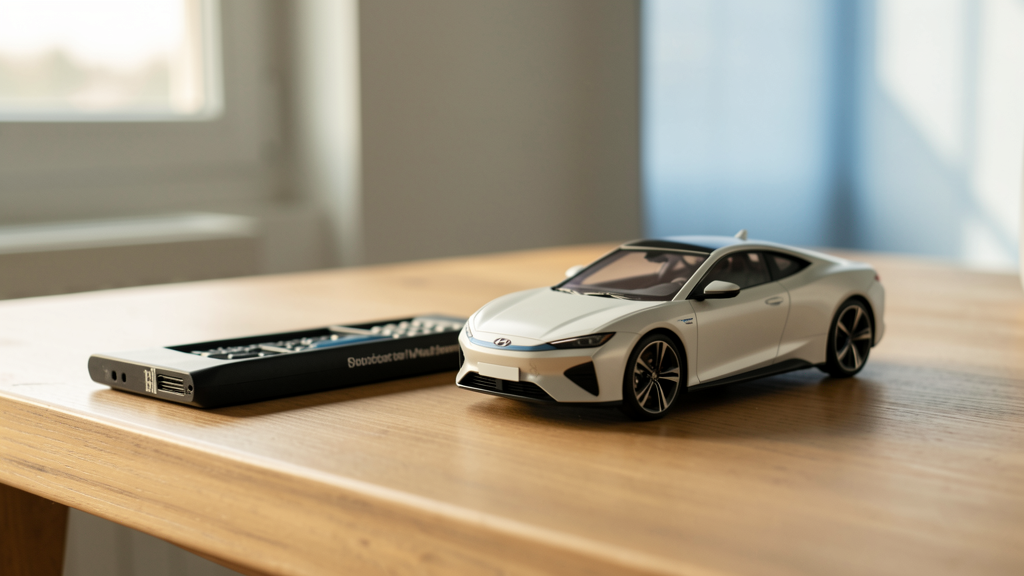
The packaging implications are severe. Integrating a T-shaped 4.2 kg hydrogen tank alongside a sizeable battery requires a wheelbase and vehicle width that challenge traditional segment classifications. The N Vision 74 is a wide, low coupe to accommodate these hardware needs. Translating this to a mass-market platform—such as a sedan or SUV—demands a completely new skateboard chassis, distinct from the E-GMP platform currently underpinning Hyundai’s successful Ioniq range. This represents a massive capital expenditure that automakers are hesitant to make in 2026, a year where platform consolidation is the primary strategy for cost reduction.
The Infrastructure Paradox: A Documented Scenario
To evaluate the practical viability of this system, consider a documented scenario involving long-distance travel in regions with nascent hydrogen infrastructure. Suppose a driver attempts a 600-kilometer journey from a major metropolitan hub like Los Angeles to a remote destination in the California desert.
According to the 2025 alternative fuel station locator data maintained by the U.S. Department of Energy, the operational uptime of hydrogen stations remains the weakest link in the FCEV chain. In a documented case study from the previous year, "station down" alerts for the I-5 corridor were frequent enough to cause significant delays for hydrogen drivers. The N Vision 74’s dual-fuel nature offers a buffer here, but it does not solve the root problem.
If the driver encounters a hydrogen station failure, the 62.4 kWh battery provides a fallback range of approximately 300 to 350 kilometers under real-world conditions. However, this creates a psychological and logistical friction point known as "range anxiety management." The driver must constantly calculate a weighted average of two different fuel sources. Contrast this with the emerging solid-state battery technologies that promise 1,000-kilometer ranges on a single charge, effectively rendering the hybrid refueling complexity obsolete for the average consumer.
The economic calculation is equally stark. In major markets where hydrogen is available, the price per kilogram fluctuates wildly but often hovers between $20 and $35. To travel 600 kilometers using hydrogen alone in a vehicle of this weight would require roughly 5 to 6 kilograms of fuel, costing upwards of $150. Alternatively, charging the 62.4 kWh battery at home rates in the U.S. (averaging $0.16 per kWh) costs less than $10. The dual system forces the consumer to pay for the hardware complexity of both, while rarely achieving the cost savings of pure electric operation in daily use.
Production Feasibility vs. Brand Halo
Hyundai leadership has historically stated that these "N" concepts serve as testbeds for future technologies. The question is whether the specific hydrogen-hybrid configuration is destined for a showroom floor or strictly for component validation. Looking at historical data, the transition from concept to production for hydrogen vehicles has a success rate nearing zero in the performance sector. BMW’s Hydrogen 7 program, which ran from 2006 to 2007, produced a fleet of 100 units based on the 7 Series, but the liquid hydrogen storage proved too complex for mass adoption, and the project was terminated.
The N Vision 74 faces similar headwinds. The use of 5 radical interior materials replacing leather in concepts suggests a focus on sustainability, which aligns with the hydrogen ethos. However, manufacturing a carbon-fiber body shell capable of protecting high-pressure tanks in a side-impact crash while meeting 2026 global safety standards results in a vehicle that would likely retail well above $150,000.
At that price point, the vehicle competes with established high-performance electric vehicles from Porsche and Lucid, which offer superior charging networks and proven reliability. The business case for a limited-run hydrogen halo car is thin unless subsidized heavily by government grants aimed at green hydrogen demonstration projects—a volatile political lever that cannot sustain a long-term product line.
The Role of Thermal Management
One specific engineering advantage claimed by the N Vision 74’s hybrid system is thermal stability. High-performance electric vehicles suffer from power degradation during repeated track sessions due to battery heat. Hydrogen fuel cells, conversely, generate heat that can be managed but also produce significant waste energy.
In the N Vision 74, engineers have proposed using the waste heat from the fuel cell stack to warm the battery cabin during cold weather, improving efficiency in sub-zero climates—a known weakness of standard BEVs. This is a legitimate engineering advantage. In a documented test by SAE International regarding fuel cell vehicle cold starts, the ability to utilize thermal waste significantly reduces the energy penalty for cabin heating.
However, this benefit is niche. For the vast majority of consumers living in temperate climates, the added weight and complexity of the thermal management system required to handle both a fuel stack and a high-voltage battery outweigh the winter heating benefits. Modern heat pumps in standard EVs have become efficient enough that the marginal gain from hydrogen waste heat does not justify the capital expenditure of the dual system.
Verdict: Engineering Marvel, Market Anomaly
Assessing the Hyundai N Vision 74 requires distinguishing between the validity of the technology and the viability of the product. The engineering is sound; the vehicle successfully demonstrates that a downsized fuel cell can act as a range extender for a performance battery vehicle, solving the track-day overheating issue while providing rapid refueling capabilities.
Yet, production feasibility remains low. The market in 2026 has largely standardized around the pure battery electric vehicle for passenger cars. The infrastructure for hydrogen is consolidating around heavy-duty transport—trucks and buses—where the weight and volume of batteries are prohibitive, and centralized refueling depots are manageable. The N Vision 74 applies a heavy-industry solution to a consumer problem that has largely been solved by the proliferation of fast-chargers.
The future of this concept lies not in a showroom coupe, but in the transfer of its component philosophy. We are more likely to see the "dual-buffer" energy system appear in a rugged, off-road oriented SUV or a high-end pickup truck, where the vehicle’s size can mask the packaging flaws and the target demographic values the independence from the grid. As a sports car, the N Vision 74 is a brilliant celebration of Hyundai’s technical prowess, but as a production prospect, it remains a testament to the limitations of the current hydrogen economy.
Sources
To dig deeper and verify the data, see:
Read next
Solid-State Batteries: Are We 5 Years Away or 50?
A data-driven framework to cut through the hype on solid-state batteries and decide if delaying your EV purchase makes financial sense.
5 Radical Interior Materials Replacing Leather in Concepts
A detailed analysis of the durability, lifecycle costs, and tactile realities of cactus, mushroom, and ocean plastic interiors currently dominating show floors.